
"Saint Cristóbal"
3000 article(s) found

Latin American coffee the most distinctive manor coffee comes from the oil-rich country Neri
Venezuela's distinctive manor coffee comes from this oil-rich country. Oil was once considered to be the main export of Venezuela. Although coffee trees were introduced from Martinique in 1730 and Venezuela, coffee production was almost abandoned at the height of the oil industry. Recently, the coffee plantation has begun to recover, and the original Tippica (T

Introduction to Santa Cruz Manor in Ecuador Coffee Manor
I was startled by his appearance when I got the bean. The shape of the raw bean is very beautiful, the body is quite full, and the size and defect rate can be compared with the beans from Sigri Manor in Papua New Guinea and the Peak Farm in Australia. In 1869, Mr. Manuel Corpos, the first owner of the Galapagos Islands, hoped to find a fit.

Introduction of Santa Cruz Manor in Ecuador Coffee Flavor Manor
Today, almost all of the Galapagos Islands coffee on the market comes from the third largest island of the Galapagos Islands in San Cristobar (San Cristbal Island). Santa Cruz Manor Coffee, as its name implies, comes from the second largest island, Santa Cruz (Santa Cruz Island). Santa Cruz Island is located in the very center of the Galapagos archipelago, and it is said that this geography

Introduction of Venezuelan coffee producing areas with smooth taste and sweet taste
The distinctive manor coffee comes from this oil-rich country. Oil was once considered to be the main export of Venezuela. Although coffee trees were introduced from Martinique in 1730 and Venezuela, coffee production was almost abandoned at the height of the oil industry. Recently, coffee plantations have begun to recover, with the original planting of Tipica and

Introduction to the taste of washed Santa Cruz Manor in Ecuador
Santa Cruz still grows coffee varieties introduced by French agronomists in 1875, so the coffee is more than 130 years old. And these old coffee trees have now become one of the special symbols of Santa Cruz coffee. The laws of the Galapagos Islands prohibit the use of chemicals and pesticides on the island, so the Santa Cruz estate produces organic coffee. Name: Shengke
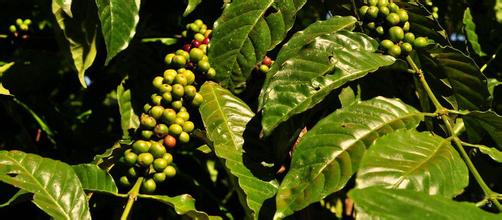
Venezuelan coffee beans from South America have the characteristics of light taste and less sour taste.
Venezuela oil was once considered the main export of Venezuela (Venezuela). Although coffee trees were introduced from Martinique in 1730 and Venezuela, coffee production was almost abandoned at the height of the oil industry. Recently, coffee plantations have begun to recover, with the original Tipica and bourbon coffee trees and new plantations for coffee.

Introduction to Santa Cruz Manor in the characteristics of Old Bourbon Ecuadorian Coffee Manor
Today, almost all of the Galapagos Islands coffee on the market comes from the third largest island of the Galapagos Islands in San Cristobar (San Cristbal Island). Santa Cruz Manor Coffee, as its name implies, comes from the second largest island, Santa Cruz (Santa Cruz Island). Santa Cruz Island is located in the very center of the Galapagos archipelago, and it is said that this geography

Smooth and sweet Venezuelan coffee producing area of San Cristobal
The best coffee names in Venezuela are: Montebello in San Cristobal (San Cristbal de Tachira) in Tazira, Miramar in Rubio (Rubio de Tachira) in Tazira, Granija in Timothe (Timote de Merida) in Merida, and Santa Ana in Tacira (San)

Ecuador Coffee Manor Santa Cruz Manor Old Bourbon Coffee Grinding degree roasting degree treatment
Tree species: 1875 Old Bourbon elevation: 375m, due to the special geographical location equivalent to 1150 m above sea level, rainfall: 1750 mm raw bean treatment: washing treatment sun drying other: shade tree planting, April-May flowering, December-February harvest Santa Cruz Manor still grows coffee varieties brought by French agronomists in 1875, so these coffees have more than 130.

Introduction of Venezuelan coffee beans with smooth taste and sweet taste
The best coffee names in Venezuela are: Montebello in San Cristobal (San Cristbal de Tachira) in Tazira, Miramar in Rubio (Rubio de Tachira) in Tazira, Granija in Timothe (Timote de Merida) in Merida, and Santa Ana in Tacira (San)

Delicious and light Venezuelan coffee beans from San Cristobal area
Coffee cultivation in Venezuela begins with the introduction of coffee trees from Martinique in 1730, and the development of coffee in this country did not receive much attention at the time of introduction. Because Venezuela was in the heyday of the oil industry, coffee development was in the doldrums. It was not until later that it slowly recovered and not only planted the original Tippica and bourbon coffee trees, but also developed new producing areas.
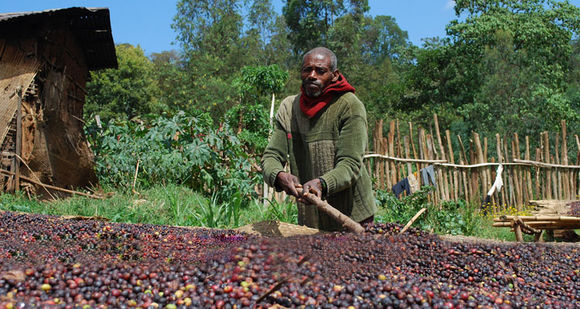
The mixture of the Pablo and Pulido families of Merida Caracas at the foot of the Venezuelan Andes
Venezuela's distinctive manor coffee comes from this oil-rich country. Oil was once considered to be the main export of Venezuela. Although coffee trees were introduced from Martinique in 1730 and Venezuela, coffee production was almost abandoned at the height of the oil industry. Recently, the coffee plantation has begun to recover, and the original Tippica (
Specialty Manor Coffee Caracas Coffee producing area
High-quality coffee beans are refined by water treatment. The coffee beans with less impurities can be obtained by the water washing method, but if the water quality and time are not properly controlled during the fermentation process, the coffee beans will easily be infected with the sour taste of excessive fermentation. and dry beans also need to pay attention to timely re-inspection to prevent coffee beans from being contaminated by wet ground and sundries. Processed
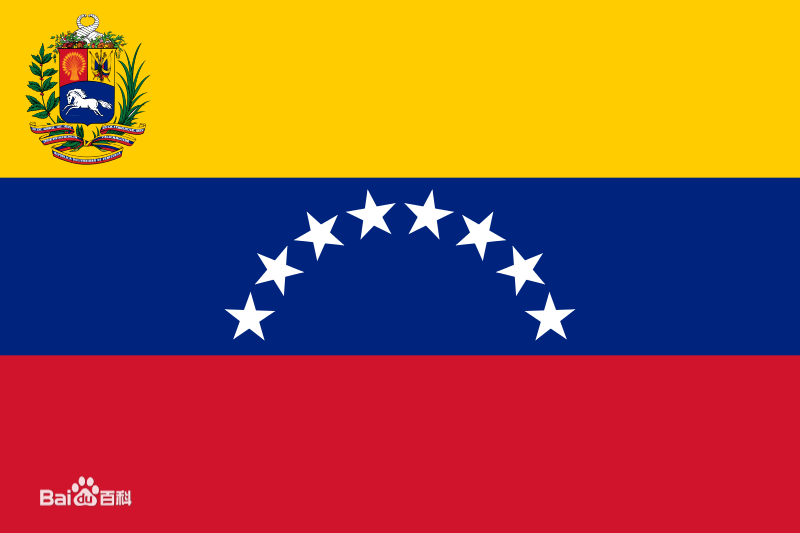
A brief introduction to the Flavor of Fine Coffee beans in the South American country of Venezuela the Bolivarian Republic of Venezuela
The distinctive manor coffee comes from this oil-rich country. Oil was once considered to be the main export of Venezuela. Although coffee trees were introduced from Martinique in 1730 and Venezuela, coffee production was almost abandoned at the height of the oil industry. Recently, coffee plantations have begun to recover, with the original planting of Tipica and

Introduction of Coffee Manor in Venezuela-San Cristobal
The coffee produced in Venezuela is different from other coffee in Latin America. It tastes delicious, sour and has delicious fruit. This kind of coffee is most suitable for medium to deep roasting, which can not only be mixed but also has its own characteristics. Most of the country's coffee is exported to Russia, Colombia and other places, and some small plantations export coffee on their own. In many industries, Venezuela

Venezuela's distinctive manor coffee comes from this oil-rich country.
Boutique coffee is fresh coffee. Whether it's food or drink, of course, the fresh the better, and so is boutique coffee. High-quality coffee should keep the coffee beans fresh before making, including the preservation of baked beans, and grind the coffee beans into powder before making, which is also to retain its original and best flavor. And the way of making hand-made coffee is such a way to make high-quality coffee.

Guatemala San Isabel coffee beans good? Santa Isabel Coffee House Information
Weixin Official Accounts cafe_style Santa Isabel Estate is located in the northern part of Alta Verapaz in the province of San Cristbal in Guatemala, surrounded by extraordinary mountains, rainforests and impressive vegetation, close to the class that produces extremely hard beans. The estate is 4500 meters (1,372 m) above sea level

Venezuelan coffee boutique coffee beans
Venezuelan coffee Coffee Venezuela the distinctive manor coffee comes from this oil-rich country. Oil was once considered to be the main export of Venezuela. Although coffee trees were introduced from Martinique in 1730 and Venezuela, coffee production was almost abandoned at the height of the oil industry. Recently, coffee species

Boutique coffee beans Venezuelan coffee beans
Venezuelan Coffee Coffee Venezuela's distinctive manor coffee comes from this oil-rich country. Oil was once considered to be the main export of Venezuela. Although coffee trees were introduced from Martinique in 1730 and Venezuela, coffee production was almost abandoned at the height of the oil industry. Recently, coffee plantations have begun to resume.

Venezuelan coffee beans introduce San Cristobal
The distinctive manor coffee comes from this oil-rich country. Oil was once considered to be the main export of Venezuela. Although coffee trees were introduced from Martinique in 1730 and Venezuela, coffee production was almost abandoned at the height of the oil industry. Recently, coffee plantations have begun to recover, with the original planting of Tipica and